
Financial SystemsCook Islands
Cook Islands: Pacific Catastrophe Risk Assessment
Read engagement

Reclaim agency over natural resources
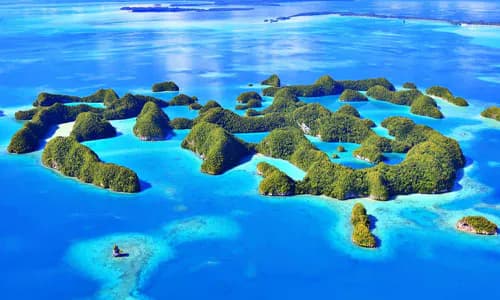
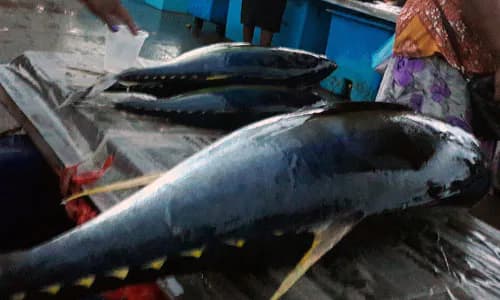
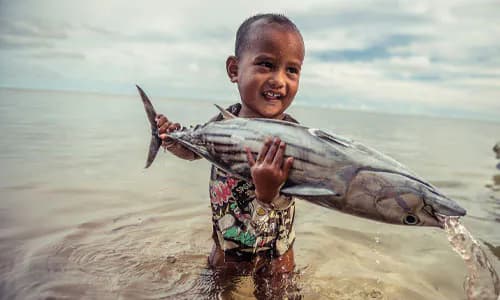
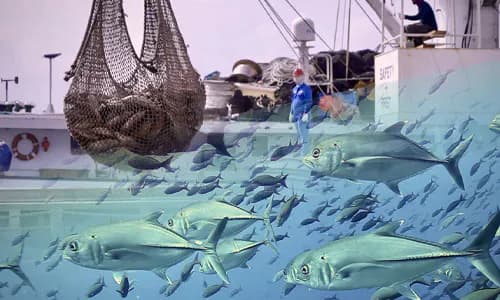
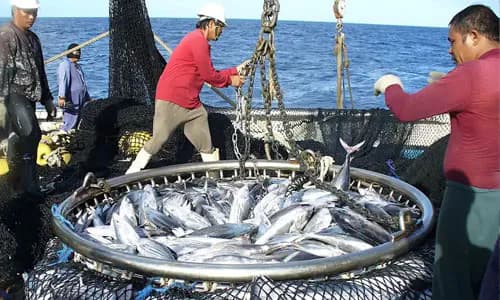
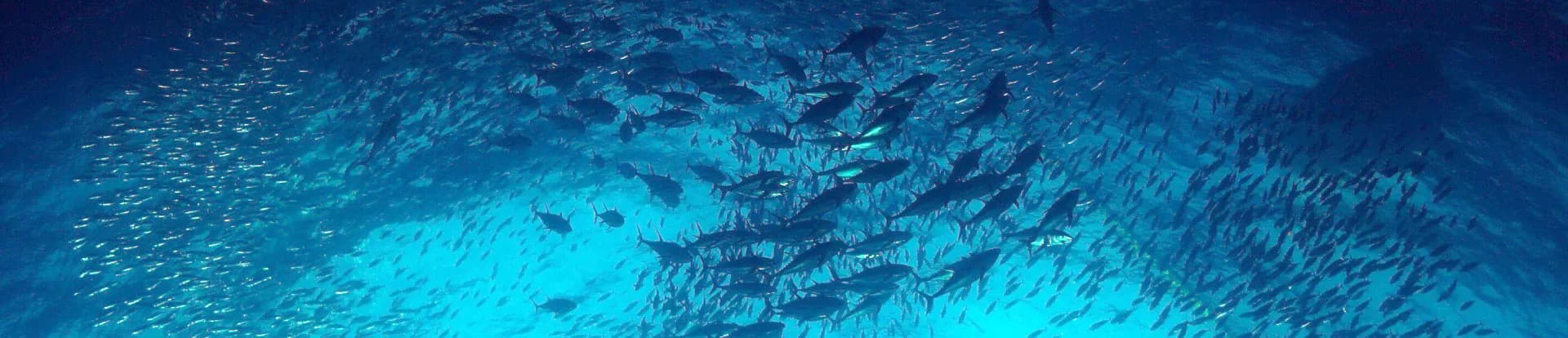
The Federated States of Micronesia (FSM), home to one of the largest and most biologically productive Exclusive Economic Zones (EEZs) in the Pacific, has long been a silent giant in the global tuna supply chain. For decades, its waters were exploited under foreign fishing access agreements, generating modest licensing fees while leaving value-added processing, employment, and industry development largely offshore. In 1998, recognizing the urgent need to reverse this imbalance, the Government of FSM, supported by the Asian Development Bank, commissioned GG International to conduct a strategic review of the national fishing industry. The goal: develop a new commercial and regulatory framework to enable local ownership, attract investment, and unlock the full economic and employment potential of FSM’s marine wealth. This project built on earlier steps taken in 1990 with the formation of the Caroline Fishing Company, a state-owned enterprise jointly held by the State of Pohnpei, the FSM National Fisheries Corporation (NFC), and a private Australian partner. The company marked FSM’s first major move toward securing a long-term national stake in tuna harvesting and processing, but a broader policy shift was still required to catalyze sector-wide transformation.
GG International delivered an integrated legal, commercial, and policy strategy to support FSM’s fisheries reform agenda. The key activities included:
The project delivered far-reaching reform recommendations that laid the groundwork for a new era of fisheries governance in FSM. The transformation was underpinned by a policy architecture rooted in economic sovereignty, sustainability, and inclusive growth.