Financial SystemsNigeria
Nigeria: Inclusive Insurance and Risk
Read engagement

Advancing agricultural insurance in Ghana
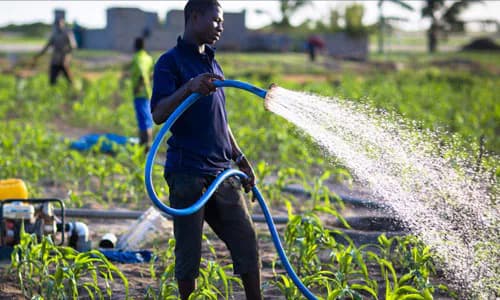
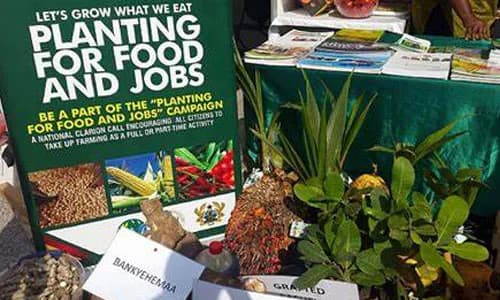
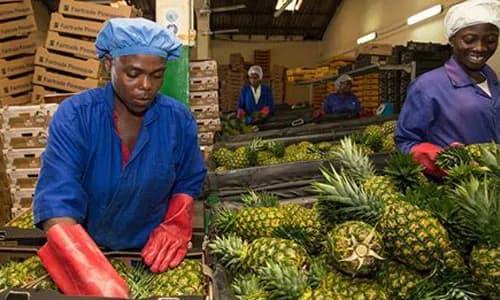
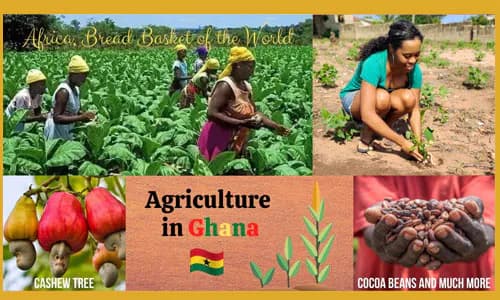
Agriculture is a vital sector in Ghana, contributing approximately 54% of the GDP and employing about 51% of the labor force. However, the sector faces significant risks from climatic hazards such as drought, flooding, pests, diseases, and bushfires. Despite the importance of agriculture, Ghana lacks a robust insurance framework to protect farmers against these threats. Since its establishment in 2011, the Ghana Agriculture Insurance Pool (GAIP) has introduced some insurance products, including weather index and multi-peril crop insurance. However, these efforts have been limited in scope and impact due to challenges such as the absence of dedicated funding, low farmer awareness, inadequate data infrastructure, and lack of specialized expertise. Recognizing the critical need for a structured approach to agricultural insurance, USAID financed a comprehensive project to assess the current framework and propose practical solutions.
The USAID-funded project, led by GG International’s Thematic Leader of the Insurance Finance and Risk team, conducted an extensive analysis of agricultural insurance systems worldwide, focusing on successful models and identifying best practices. The study produced several key recommendations aimed at enhancing Ghana’s insurance landscape:
Implementing these recommendations will enable Ghana to build a sustainable agricultural insurance system that mitigates risks and promotes economic resilience. A robust legal framework combined with public and private sector engagement will create an enabling environment for insurance uptake. By integrating insurance with other support mechanisms, farmers will gain greater protection against climatic and financial risks. This transformation will not only enhance food security but also position Ghana as a leader in agricultural risk management in the region.